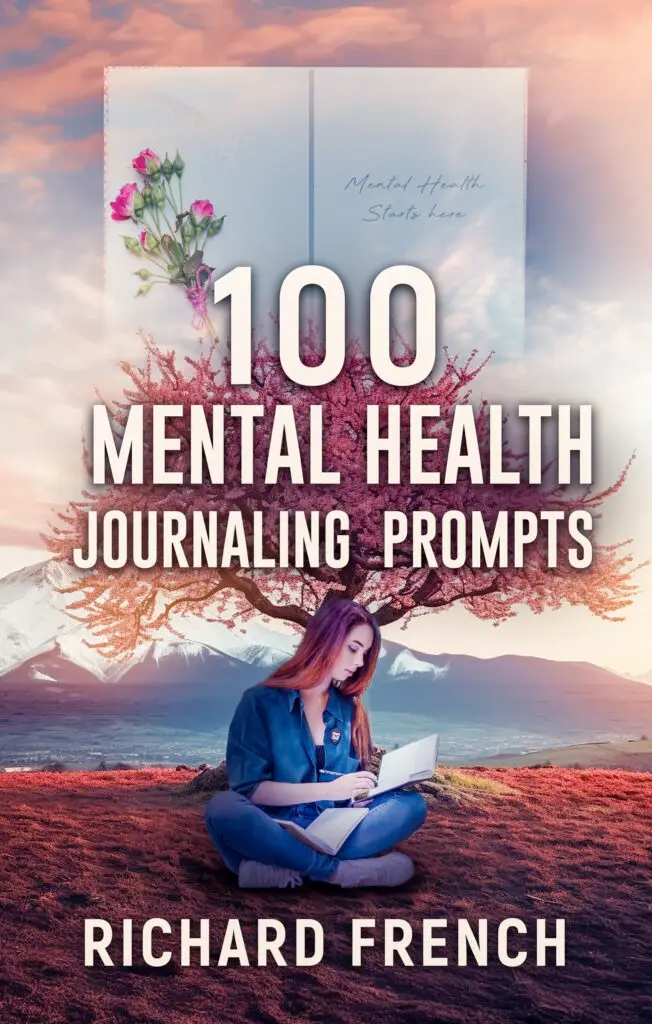

Maybe you’ve opened your journal with good intentions, only to sit there wondering what to write. That blank page can feel like a test you’re failing before you even start. Journal writing prompts aren’t about fixing that paralysis through willpower—they work by giving you somewhere specific to begin. This guide offers 48 prompts organized by theme, from daily gratitude to deeper fear exploration, plus the patterns that emerge when you use them consistently over time.
Quick Answer: Journal writing prompts are specific questions designed to guide self-reflection and unlock personal insights, ranging from simple daily check-ins like “What am I grateful for today?” to deeper explorations such as “What is your deepest fear?”
Definition: Journal writing prompts are structured questions that create entry points for self-exploration, helping writers notice thought patterns and behaviors without judgment.
Key Evidence: According to Day One Blog, platforms now offer between 90-550+ categorized prompts across themes including gratitude, relationships, creativity, and healing.
Context: This structured approach reduces the overwhelm that causes many people to abandon journaling before patterns can emerge.
Prompts work because they externalize the question of what to explore. You bypass the paralysis that comes from infinite possibility. When you sit down with “What challenged me today?” you already know where to start. The benefit accumulates as repeated entries reveal patterns invisible in any single session. What follows will show you which prompts serve different purposes, how to use them for lasting insight, and what makes certain questions more effective than others for self-discovery.
Key Takeaways
- Themed organization matters: Prompts categorized by gratitude, fears, relationships, and creativity help beginners navigate where to start, according to Day One Blog research on prompt libraries.
- Pattern recognition over perfection: Regular reflection reveals what comes up repeatedly, building self-awareness through consistency rather than forcing breakthrough insights.
- Start low-stakes, progress gradually: Simple prompts like “What made you smile today?” establish habits before deeper emotional work becomes accessible.
- Permission-based frameworks work: Effective prompts create space for imperfect exploration, as emphasized in Ness Labs collections.
- Time-specific prompts build habits: Morning and evening questions anchor practice to existing routines, making consistency easier than willpower alone.
What Makes Journal Writing Prompts Effective for Self-Discovery
You might have noticed that some days you sit down to journal and the words flow. Other days, nothing comes. Effective journal writing prompts don’t solve that variability—they give you somewhere to start regardless of how you feel. The best prompts serve as scaffolding for those struggling with blank-page paralysis or uncertainty about where to begin.
What makes this approach powerful is how it shifts the frame. Instead of “What should I write about?”—a question that can freeze you in place—you’re responding to something specific. “What did I learn today?” or “What do I need right now?” These questions give you permission to notice without prescribing what you should find. According to research from Ness Labs, prompts that encourage writing “without judgment” and use exploratory questions like “What tends to make you sad?” help reveal patterns over time.
A single entry about what you’re grateful for provides a snapshot. Twenty entries across a month show you what you consistently notice and what you overlook. That’s where pattern recognition begins. The value lies not in optimizing output but in what repeated reflection reveals about the stories we tell ourselves.
Recent approaches have shifted away from achievement-oriented prompts toward questions designed for pattern recognition and self-compassion. You won’t find much “How can you crush your goals?” language in current collections. Instead, you’ll see questions like “What are you telling yourself that isn’t true?” or “Where are you being too hard on yourself?” This evolution reflects growing understanding that self-discovery isn’t about fixing yourself but about noticing how you move through the world.
Research from Gratefulness.me Blog shows that evening prompts like “What did I learn today?” and self-care questions such as “What do you need right now?” establish regular reflection points. These time-specific prompts create consistency, which matters more than intensity. Writing three sentences every evening builds more insight than writing three pages once a month.

Why Beginners Struggle Without Structure
Many people pursuing therapy, recovery, or intentional growth have tried journaling before and stopped. The barriers show up consistently: not knowing what to write, feeling self-critical about entries, bringing perfectionist expectations carried over from productivity culture. You sit down intending to reflect, but the blank page becomes evidence of not doing it right.
Structured prompts counter these obstacles by framing reflection as exploration rather than achievement. There’s no wrong answer to “What challenged me today?” The question itself gives you permission to notice without grading what you notice. That shift—from performance to observation—often makes the difference between abandoning the practice and sustaining it long enough for patterns to emerge.
48 Prompts Organized by Theme and Purpose
Thematic organization dominates current practice because it helps you match questions to what you’re working through. Some days call for gratitude. Other days require looking at fear. The categories below reflect how Day One Blog and similar platforms structure their collections, giving you entry points for different types of self-exploration.
Daily Reflection Prompts:
- What am I grateful for today?
- What was the best thing about today?
- What did I learn today?
- Describe something that made you smile
- What challenged me today?
- What do I need right now?
Gratitude and Positivity:
- List three things you’re thankful for
- Who made a positive impact on your life recently?
- What’s going well that you haven’t acknowledged?
- Describe a recent moment of joy
- What’s something you’re looking forward to?
- What strength did you use today?
Fear and Insecurity Exploration:
- What is your deepest fear?
- What tends to make you anxious?
- What insecurity keeps surfacing?
- What are you avoiding right now?
- What would you do if you weren’t afraid?
- What criticism affects you most deeply?
Relationships and Connection:
- What relationship pattern do you keep repeating?
- Who do you need to forgive (including yourself)?
- What advice would you give your younger self?
- How do you want to be remembered?
- What do you need from others right now?
- Describe a relationship that shaped you
Creativity and Values:
- Describe your ideal day in detail
- What brings you alive?
- What would you create if no one would judge it?
- What matters most to you right now?
- When do you feel most like yourself?
- What’s a dream you’ve been afraid to pursue?
Healing and Self-Compassion:
- What do you need to hear right now?
- What are you telling yourself that isn’t true?
- What would self-compassion look like today?
- What do you need to let go of?
- Where are you being too hard on yourself?
- What does your body need you to know?
Collections now feature “100+ prompts for healing and reflection,” according to Gratefulness.me Blog, indicating expansion toward therapeutic applications. This shift recognizes that journaling serves emotional processing and recovery work, not just creative expression.
Well-designed prompts progress from lower-stakes questions about daily gratitudes to more vulnerable territory around fears and relationship patterns. You might start with “What made you smile today?” and six months later find yourself ready to explore “What relationship pattern do you keep repeating?” The progression happens as you build trust with the practice itself.
How to Use Journal Writing Prompts for Lasting Insight
Choose 3-5 journal writing prompts that resonate in the moment rather than working through lists systematically. Notice which questions make you slightly uncomfortable. That mild resistance often signals fruitful territory for exploration. If a prompt makes you think “I don’t want to write about that,” consider starting there when you feel ready.
The graduated approach works because it builds capacity over time. Begin with simple prompts like “What am I grateful for today?” before progressing to deeper questions such as “What is the story you’re telling yourself?” This isn’t about avoiding difficult material but about establishing the habit and safety of the practice before excavating what’s buried deeper.
Anchor prompts to existing routines for consistency. Evening reflections work well after dinner or before bed. Morning prompts can accompany coffee. The timing matters more than the length of entries. Three sentences about “What did I learn today?” counts just as much as three pages. Over time, you’ll notice what tends to surface at different times of day.
Return to the same prompt weekly or monthly. “What am I afraid of right now?” answered once provides a snapshot. Answered over six months, it reveals how fears shift, persist, or dissolve. You might discover that the same anxiety surfaces every Sunday evening, or that a fear you thought was permanent faded without you noticing when it left.
Pattern recognition happens not in any single entry but across multiple instances of showing up for yourself. What tends to come up repeatedly reveals the unconscious beliefs shaping current behavior. Maybe you consistently write about feeling behind. Or you notice gratitude entries cluster around time spent alone. These patterns become visible only through accumulation.
Common mistakes to avoid: treating prompts as homework requiring complete, polished responses (your journal isn’t graded), forcing prompts that don’t feel authentic or interesting (skip questions that don’t land), expecting every session to feel profound rather than trusting accumulation over time (most entries are ordinary, and that’s fine), and journaling without dating entries, which makes later pattern recognition impossible.
For deeper exploration, try themed weeks. Spend seven days with all relationship prompts, or dedicate a month to creativity questions. This focused approach often generates insights that scattered exploration misses. You’re giving your subconscious sustained permission to surface material around specific themes. And if you miss a week or a month, your journal will still be there when you come back. The practice doesn’t require perfection.
Digital Tools and Accessibility
Major platforms include Day One app, Ness Labs, and Gratefulness.me, offering categorized prompt libraries according to Day One Blog resources. These tools provide searchable collections, tagged themes, and randomized daily prompts that arrive as notifications. Technology supports consistent practice through accessible, structured support for those who benefit from reminders.
The apps remember what you’ve explored and can surface related prompts over time. Questions remain about data privacy in intimate reflection tools, but for many people, the accessibility outweighs concerns about where entries are stored.
Current Limitations and What Research Doesn’t Tell Us
While qualitative benefits are widely described across practitioner collections, the field lacks rigorous scientific investigation into which prompts work best for specific therapeutic or personal growth outcomes. No specific quantitative statistics, percentages, or peer-reviewed study results on journal writing prompts’ impacts were found in recent research. We have extensive anecdotal wisdom but limited empirical validation.
This gap matters because we don’t know which specific prompts support particular therapeutic outcomes like anxiety reduction, self-compassion development, or behavioral change. Does “What am I grateful for?” reduce anxiety more than “What am I avoiding?” We don’t have controlled trials comparing different prompt types in clinical populations. The recommendations rest on practitioner experience rather than measured results.
Individual differences remain unexplored territory. Do personality types, attachment styles, or trauma histories require different prompt approaches? Someone with avoidant attachment might need different questions than someone with anxious attachment. A person processing complex trauma requires different scaffolding than someone exploring creative blocks. Current resources treat prompts as universal rather than investigating who they work for and when.
Long-term impacts are unclear. Do prompts that feel helpful in month one continue serving growth in year three? Do people graduate from certain types of questions, or does repeated exposure deepen the practice? These longitudinal questions matter for sustaining journaling beyond initial enthusiasm.
The relationship between prompted versus free-form journaling needs investigation. Some writers find prompts necessary structure. Others experience them as constraints. We don’t understand whether prompts serve primarily as training wheels or as enduringly valuable tools. Related questions include optimal frequency of prompted sessions and whether alternating between prompted and unprompted writing produces better outcomes than either alone.
The integration of prompts with professional therapeutic work remains understudied. When does self-guided exploration through prompts complement therapy, and when might it substitute for professional support in ways that aren’t helpful? Understanding these boundaries would help both individuals and clinicians use journal writing prompts more effectively within comprehensive treatment approaches.
Why Journal Writing Prompts Matter
Journal writing prompts matter because emotions that stay unnamed tend to stay unmanaged. The practice creates distance between stimulus and response. That distance is where choice lives. Over time, patterns that once controlled you become patterns you can work with. The value isn’t in any single answer but in the accumulation of showing up for yourself with curiosity. Questions create space for noticing. Noticing creates space for understanding. Understanding creates space for change, when change serves you.
Conclusion
Journal writing prompts serve as accessible gateways to self-understanding, offering structure for those who struggle with blank pages or don’t know where to begin. Effective prompts reveal patterns over time through consistency rather than forcing breakthrough insights in single sessions. The principle remains simple: show up regularly, notice what comes up without judgment, and trust the accumulation of entries to surface what you need to see.
Start with low-stakes daily prompts from the themed collections above. Progress gradually to vulnerable questions as you build trust with the practice. Notice what surfaces repeatedly across entries. Choose three prompts that resonate, anchor them to an existing routine, and commit to noticing what comes up over the next two weeks. The goal isn’t perfection but showing up for yourself with curiosity.
Your journal doesn’t grade you. It just listens. For more guidance on building a sustainable practice, explore the benefits of random journaling prompts and discover what the goal of journaling means for your personal growth journey.
Sources
- Ness Labs – Curated collection of journaling prompts emphasizing pattern recognition and judgment-free reflection for self-awareness
- Day One Blog – Comprehensive prompt library organized by themes including daily reflections, gratitude, relationships, and creativity from leading journaling app
- The Write Life – Writer-focused journaling prompts addressing creative exploration and professional development
- Decide Your Legacy – Extended collection of 100 prompts designed for reflection and personal insight building
- Thyme is Honey – Compilation of 90 journal prompts spanning multiple themes and reflection categories
- Gratefulness.me Blog – Self-care and healing-oriented prompts emphasizing emotional processing and well-being