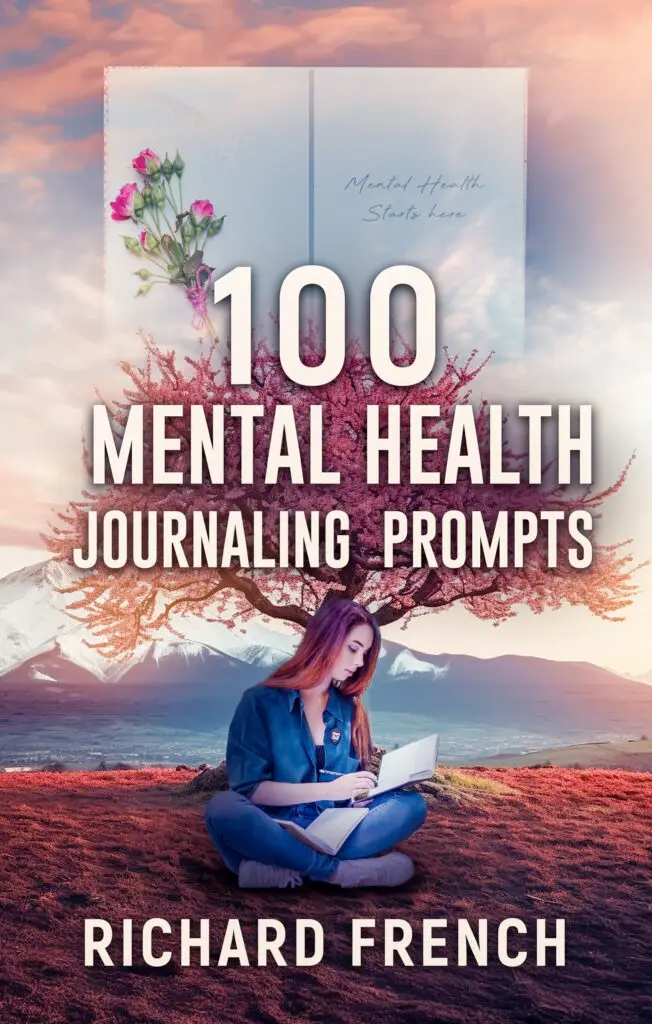

What is journaling? At its core, journaling is the intentional practice of recording personal thoughts, experiences, and reflections in written form as a means of self-discovery and emotional processing. What is journaling? but a powerful tool for understanding yourself better, managing stress, and cultivating mindfulness by putting pen to paper or typing your thoughts in a digital format.
Key Takeaways
- Journaling is more than just diary-keeping—it's a structured practice for personal growth and self-reflection
- Regular journaling can reduce stress levels by 20-30% through emotional disclosure
- Different journaling methods exist including gratitude, bullet, and reflective journaling
- Scientific research supports journaling's benefits for mental health, cognitive function, and even physical wellbeing
- Starting a journal requires only 5-10 minutes daily for effective results
https://www.youtube.com/watch?v=gnqS9aciufY
What is Journaling: The Essence Beyond Simple Writing
What is journaling if not a transformative practice that has evolved significantly throughout history? The journaling definition encompasses far more than simply recording daily events. Fundamentally, journaling is the intentional practice of documenting thoughts, feelings, experiences, and reflections in various formats—whether physical notebooks, digital platforms, or structured templates.While traditional diary-keeping primarily focused on chronicling events, modern journaling meaning emphasizes introspection and personal development. The practice has evolved to become more flexible, with approaches ranging from structured journaling with specific prompts to free-form expression tailored to individual goals. What is journaling but a versatile tool that adapts to your personal needs and aspirations?
Understanding what is a journal helps clarify the practice—it’s essentially a dedicated space where you can express yourself without judgment, track patterns in your thinking and behavior, and create a meaningful record of your life journey. The definition of journaling has expanded to include various specialized approaches that target specific areas of personal growth.

Science-Backed Benefits of Journaling
The question "what is journaling" is often followed by "why should I do it?" The answer lies in substantial scientific evidence. Studies have shown that journaling can lead to a 20-30% reduction in cortisol levels through emotional disclosure, while also boosting immunity by increasing lymphocyte activity. Even physical indicators like systolic blood pressure can be reduced by 10-15% through regular journaling practice.Cognitive benefits are equally impressive. Research from UC Berkeley demonstrates a 20-23% improvement in memory recall and a 20% increase in task concentration among regular journal-keepers. The Physiology Organization reports that 85% of medical students experienced improved goal achievement, 69% better organization, and 57% enhanced mental health through journaling.
What is journaling’s impact on physical health? Studies show a 40% faster sleep onset with gratitude journaling and improved regulation of blood sugar in Type II diabetes patients. James Pennebaker’s Emotional Disclosure Theory explains why journaling works—organizing thoughts through writing helps regulate emotions and process difficult experiences more effectively.
The neuroplasticity benefits are particularly noteworthy. When we explore what is journaling through a neuroscience lens, we find that the brain physically changes through this reflective practice. Mindsera reports that journaling stimulates brain regions associated with emotional regulation and cognitive processing, creating new neural pathways that support resilience and emotional intelligence.
Journaling Methods and Getting Started
Understanding what is journaling requires familiarity with various methodologies. Three popular approaches include:- Gratitude journaling - Listing positive experiences and things you're thankful for
- Bullet journaling - A structured system combining tasks, events, and notes in an organized format
- Reflective journaling - Analyzing experiences and extracting meaningful insights
What is journaling’s biggest challenge? According to Habit Better, 58% of non-journalers cite lack of time as their primary obstacle, while only 34% maintain daily practice beyond three months. To overcome these barriers, I recommend scheduling 5-10 minute sessions after meals or before bed, and using specific prompts like “Today, I felt proud when…” to jumpstart your practice.
For those wondering how to start journaling, begin with a simple commitment. Choose a format you’re comfortable with, set a realistic schedule, and remember that consistency matters more than length. Exploring different types of journaling can help you find the approach that resonates most with your goals and personality.
Specialized Applications of Journaling
What is journaling's role in therapeutic settings? Clinical trials show it can reduce PTSD intrusive thoughts by 40% and serve as a non-pharmacological treatment for anxiety and depression. Mental health professionals increasingly recommend journaling as a complementary practice alongside traditional therapies.In academic and professional contexts, the definition of journaling expands to include structured reflective practice. Editage reports that 54% of medical students improved their communication skills through reflective journals, while systematic reviews show a 25% enhancement in critical analysis skills.
For creative individuals, what is journaling but a wellspring of inspiration? Approximately 60% of artists and writers use journals for brainstorming and idea generation. Stuart School highlights how journaling serves as a conduit for creativity, allowing ideas to flow freely without judgment.
The debate between digital and traditional journaling continues, with each offering distinct advantages. Digital formats provide convenience and searchability, while traditional handwriting enhances memory retention through neural engagement. What is journaling in the digital age? It’s a practice that can adapt seamlessly to your lifestyle and preferences while maintaining its core benefits.
Finding What is the Best Journaling Approach for You
What is journaling if not a personal journey? Finding what is the best way to journal depends entirely on your goals, preferences, and lifestyle. Some people thrive with highly structured methods like the "Morning Pages" technique (three pages of stream-of-consciousness writing upon waking), while others prefer more flexible approaches.According to Rosebud, journaling is most effective when it aligns with your natural tendencies. If you’re analytical, structured formats with clear prompts might work best. If you’re creative, open-ended journaling with space for doodles and non-linear thinking could be more engaging.
What is journaling’s frequency requirement? Child Mind Institute suggests that consistency matters more than duration. Even 3-5 minutes daily can yield significant benefits, particularly for managing anxiety and boosting emotional awareness. The key is developing a sustainable habit rather than aiming for perfection.
Remember that what is a journal to one person might be entirely different for another. Some use journals primarily for goal-tracking and productivity, while others focus on emotional processing or creative expression. The beauty of journaling lies in its adaptability to serve whatever purpose you need most in your life.