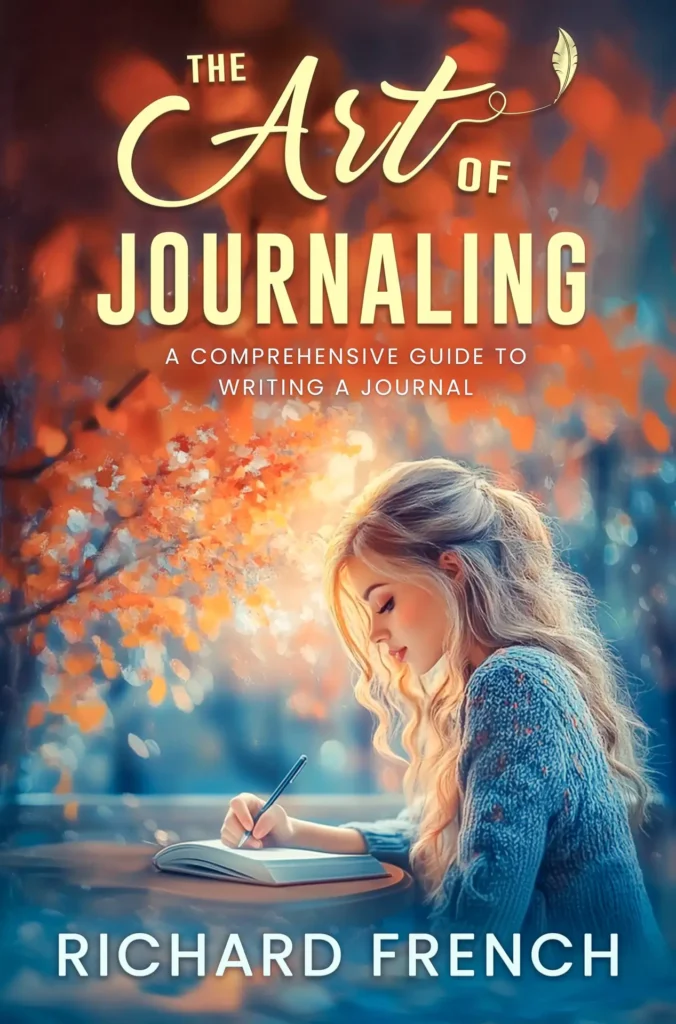
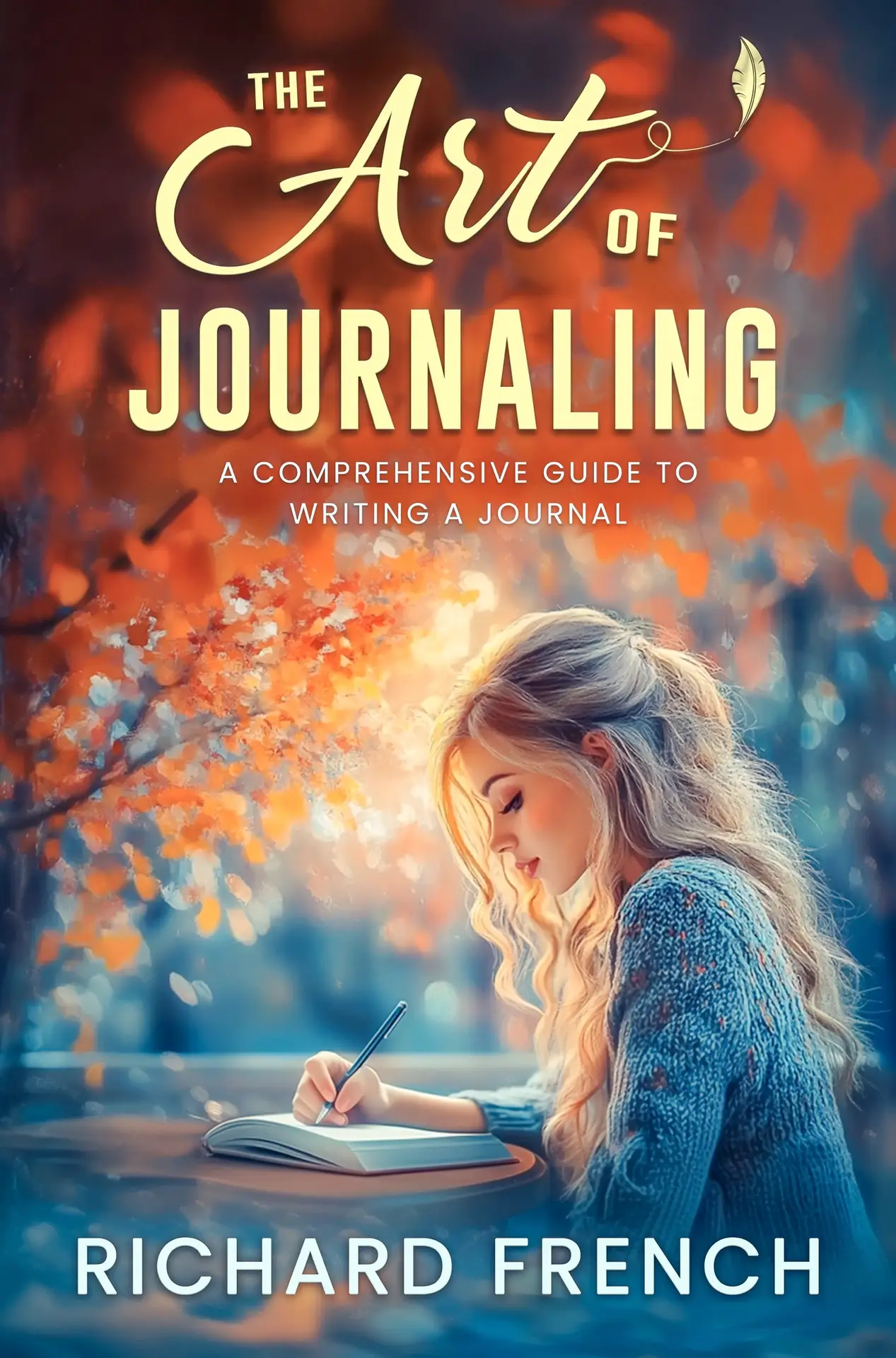
The Art of Journaling: A Comprehensive Guide to Writing a Journal teaches a daily habit routine and eight techniques in chapter 4, and a method for reading them back in chapter 5. If you have never kept a journal, start with a prompt from Appendix A. If you keep one and stall, write stream of consciousness for ten minutes. If you have months of entries, reread them with three questions.
The book is built as a reference, so that a reader can open it to the technique they need that week. This page is its index.
Quick Answer: The book's techniques are Morning Pages (three pages on waking), Evening Reflection (five steps before sleep), creative journaling, timed stream of consciousness, poetry and prose, and three themed journals: gratitude, goals and dreams. Chapter 5 adds reflective rereading. First-timers start with one prompt; stalled writers use ten minutes of stream of consciousness; long-term journalers reread a month.
Definition: A journaling technique is a repeatable way of filling a page, chosen for the job in front of you: clearing your head, recording the day, tracking a goal, or reading the past for patterns.
Key Takeaways
- Pick by situation: never journaled, start with a prompt; journal but stall, ten minutes of stream of consciousness; months of entries, reread with three questions.
- Morning Pages and Evening Reflection are the two daily frames; choose one, since both on the same day is a lot for a beginner.
- Gratitude entries in the book are three to five specific items, reread on hard days, and that specificity is the whole technique.
- A goal journal uses SMART goals broken into milestones and reviewed on a schedule.
- Rereading takes 20 minutes a month: one month of entries, no pen until the end, three recurring nouns, one surprising sentence, one action.
The techniques the book teaches
| Technique | When to use it | Time | First line | Chapter |
|---|---|---|---|---|
| Daily habit routine | You want a practice that lasts | 5 minutes | "Today at [time] I will write for five minutes." | 4 |
| Morning Pages | A cluttered head first thing | 20 to 30 minutes | Whatever is there; three longhand pages | 4 |
| Evening Reflection | A day that needs closing | 10 minutes | "What happened today, in order?" | 4 |
| Creative journaling | Words are not coming; sketches, collage, lettering | 15 to 30 minutes | One image, then a caption | 4 |
| Stream of consciousness | You are stuck or stalled | 5 to 10 minutes, timed | "I don't know what to write" until something comes | 4 |
| Poetry and prose | You want to make something | 15 minutes | A haiku about the weather outside | 4 |
| Gratitude journal | Your outlook has narrowed | 5 minutes | "Three specific things from today: ..." | 4 |
| Goal journal | A goal keeps slipping | 10 minutes weekly | One SMART goal and its first milestone | 4 |
| Dream journal | Recurring dreams you want to read | 5 minutes on waking | The dream, before anything else | 4 |
| Reflective rereading | Months of entries and no idea what they say | 20 minutes monthly | "This month the recurring nouns were ..." | 5 |
The first-line column is a suggestion added for this page; the book gives the method and leaves the opening words to you.
The two daily frames
Morning Pages come from Julia Cameron's The Artist's Way, and chapter 4 credits her: three longhand pages, stream of consciousness, as soon as you wake, to get the clutter out of your head. The digital version is covered in digital morning pages. Evening Reflection is my own frame, in five steps: recapitulate the day, reflect on how you felt, note the victories, name what could go better, set an intention for tomorrow.
Stream of consciousness
Set a timer for five to ten minutes and write without lifting the pen. When nothing comes, write "I don't know what to write" until something does. The rationale in chapter 4 is that free writing bypasses the inner critic, which is why it is the technique for anyone who has stalled.
The three themed journals
Gratitude. The procedure in chapter 4 is a daily list of three to five items, each specific, with a line of reflection, and a rereading of the list on tough days. "Coffee" is a weak entry. "The coffee my neighbour left on the step on Tuesday" is the technique. Prompts for it are in gratitude journal prompts.
Goals. Define the goal to the SMART criterion (specific, measurable, achievable, relevant, time-bound), break it into milestones, track progress in the journal, and review on a schedule. Templates that follow the same shape are in goal-setting journal templates.
Dreams. Keep the journal by the bed, write the dream before anything else on waking, and look for patterns over weeks.
Which one first
- You have not journaled before. Take one prompt from Appendix A and answer it in five minutes. "What emotions have I been avoiding and why?" is in the Emotional Discovery set; "What is my personal definition of success and am I living it?" is in Self-Discovery. My first prompt came from a teacher at school, "What I learned today ..." as the opening line of an entry, and it remains a good way to start seeing the day.
- You journal but you stall. Ten minutes of stream of consciousness, timed, for a week before judging it.
- You have months of entries. Reread one month using the protocol below.
Reread a month in 20 minutes
Chapter 5 gives a five-step approach to revisiting old journals: set a time frame, look for growth, reflect on how difficult experiences were handled, extract new insights, and be kind to your past self. Here it is as a timed sequence.
- Minutes 0 to 2: pick the most recent complete month.
- Minutes 2 to 14: read it through without a pen. No underlining, no corrections.
- Minutes 14 to 17: write the three nouns that recurred. A person, a place, a project, a symptom.
- Minutes 17 to 19: copy out one sentence that surprised you.
- Minutes 19 to 20: write one action for the coming month, drawn from the nouns or the sentence.
The three nouns are the pattern analysis of chapter 5. The surprising sentence is the "be kind to your past self" step, because it is usually the one you would have edited out.
Why journaling techniques matter
A journal that only records the day stalls within weeks, because recording is dull once the novelty goes. A journal with a technique for the situation keeps going: a timer on a stuck morning, a five-item list on a narrow day, a rereading at the end of a month. The rereading is the part that turns the rest into development, and it is the part most people never do.
The book is available from the Indie Pen Press store in paperback and ebook.
Related reading
- Books and resources
- How to start journaling
- How to start journaling when you hate writing
- What is journaling?
Sources
- The Art of Journaling: A Comprehensive Guide to Writing a Journal, Indie Pen Press – the book's listing; the techniques and chapter numbers on this page follow its chapters 4, 5 and Appendix A